Don't forget to return to your survey
and get your discount!
Cannabis is one of the most discussed and most misunderstood plants in modern wellness and lifestyle culture. As legal access expands and product options grow, many people want a straight answer to a simple question: Which of the following is true about cannabis?
The truth is that cannabis isn’t one single experience, one single effect, or one single type of product. Cannabis is a complex plant with multiple compounds that interact with the human body in different ways.
Some widely repeated claims about cannabis are outdated, oversimplified, or just plain wrong. To understand what’s true, it helps to focus on what cannabis is, how it works, why experiences vary so much, and what responsible use actually looks like.
What Cannabis Actually Is
Cannabis is a plant that produces many naturally occurring compounds, including cannabinoids and terpenes. Cannabinoids are the compounds most often associated with cannabis effects. The two best-known cannabinoids are THC and CBD.
- THC is the primary compound responsible for intoxicating effects (the feeling many people describe as being “high”).
- CBD is not intoxicating and is often used by consumers who want a clearer-headed experience.
Most cannabis products contain a unique combination of cannabinoids and terpenes, which contribute to how each product feels. That’s why two products with similar THC content can still produce different effects.
You may also hear cannabis compared to hemp. In general terms, hemp refers to cannabis cultivated under legal definitions that limit THC content. Cannabis sold through licensed dispensaries and delivery services is typically cultivated and formulated for specific effects, flavors, and consumer preferences.
READ: How Long To Dry Cannabis
Common Myths vs. Facts About Cannabis
Myth: Cannabis is the same for everyone
One of the biggest misconceptions is that cannabis affects everyone in the same way. In reality, cannabis experiences can vary dramatically depending on things like your tolerance, metabolism, body chemistry, mindset, and environment. Two people can consume the same product and report different effects — one might feel calm and relaxed, while the other feels overstimulated.
This is one reason why “start low and go slow” is such common advice, especially when trying a new product type or cannabinoid profile.
Myth: Cannabis is always addictive
It’s also common to hear that cannabis automatically leads to addiction. The more accurate truth is that cannabis can be habit-forming for some people, but it’s not an inevitable outcome for everyone who uses it.
Research summarized by the National Institute on Drug Abuse (NIDA) notes that about 9% of people who use cannabis become addicted.
That figure matters because it shows both realities at once: there is a real risk for some people, but it is not accurate to claim that cannabis automatically causes addiction for all users. Responsible use, awareness of personal patterns, and avoiding compulsive use are key.
Myth: Cannabis has no legitimate value beyond getting high
Another outdated belief is that cannabis only exists for intoxication and has no other value. In reality, cannabis is used in a wide range of ways - from recreational relaxation to personal wellness routines - and research continues to explore how cannabinoids interact with the body.
Even among recreational consumers, many people choose cannabis for specific experiences, such as:
- Unwinding at night
- Enhancing creative activities
- Reducing stress
Scientifically Supported Truths About Cannabis
Truth: Cannabis interacts with the body’s endocannabinoid system
One of the most important truths about cannabis is that it affects the body through a real biological system: the endocannabinoid system (ECS). The ECS helps regulate functions like mood, appetite, sleep, and how the body responds to stress.
Cannabinoids like THC and CBD interact with receptors in this system. THC more directly influences receptors tied to perception and cognition, which helps explain why it can change mood, time perception, and sensory experiences. CBD tends to interact more indirectly, which is part of why it doesn’t produce intoxication.
This ECS interaction is a major reason cannabis can feel so different depending on the product type, cannabinoid balance, and the person using it.
Truth: Method of consumption changes onset and duration
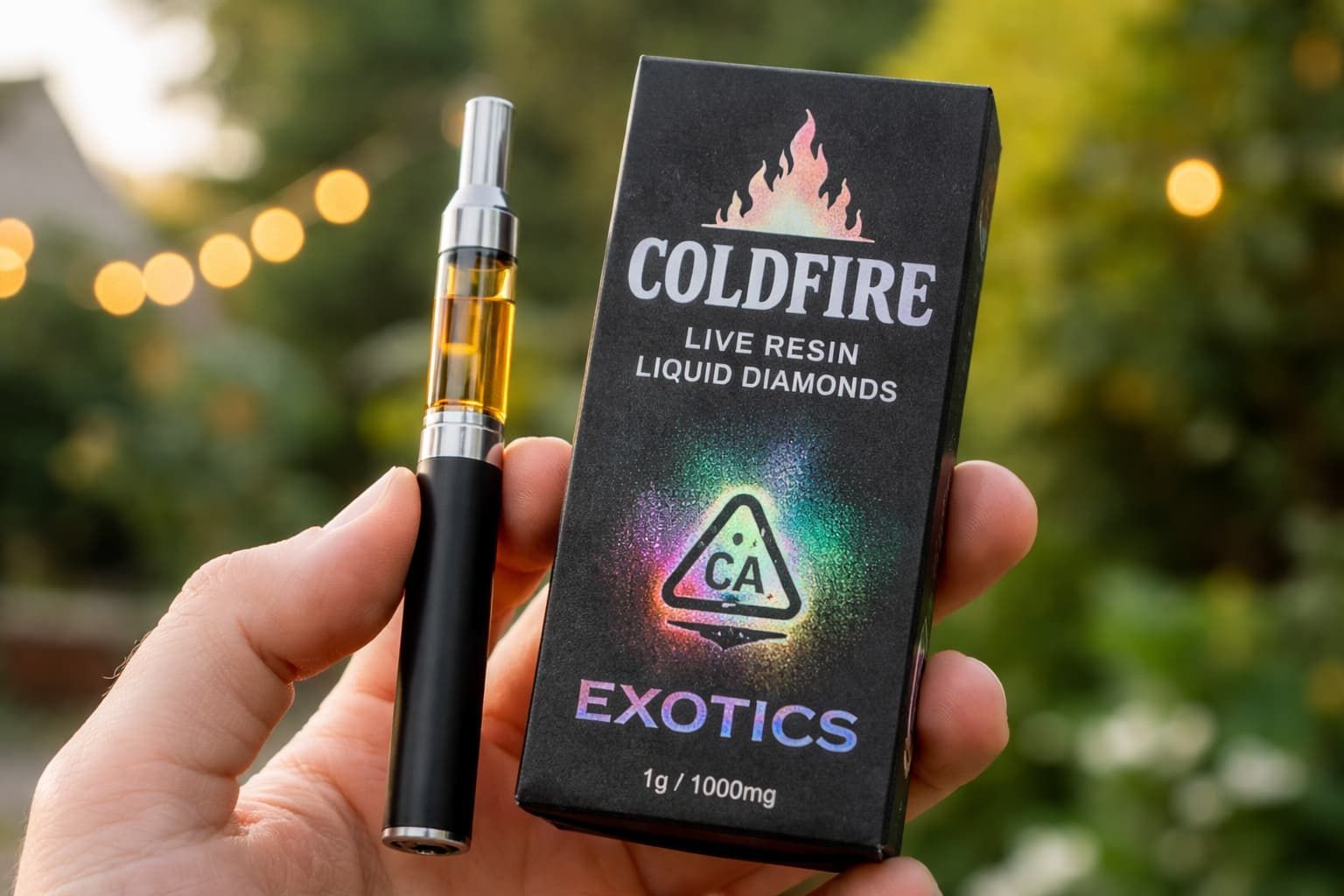
Cannabis isn’t just one product type. It comes in forms like flower, vapes, edibles, concentrates, tinctures, and topicals. These formats can feel very different because the body processes them differently.
For example:
- Inhaled cannabis typically takes effect relatively quickly.
- Edibles and drinkables can take longer to feel, and the experience can last longer.
This difference is one reason some people accidentally take more than they intended, especially with edibles. Knowing the format you’re using and giving it time to work is one of the most practical ways to have a safer, more comfortable experience.
What’s True About Safer, More Responsible Cannabis Use
A consistent truth across public health guidance is that outcomes often depend on how cannabis is used.
Some widely accepted responsible-use principles include:
- Start with a small amount, especially with a new product type
- Avoid mixing cannabis with other impairing substances
- Choose regulated, lab-tested products
- Use cannabis in a comfortable environment, particularly if you’re inexperienced
- Know when cannabis isn’t a good fit for you (for example, if it worsens anxiety)
This is also where buying through licensed, compliant providers matters. Regulated cannabis products are typically tested and labeled for potency and contaminants, which helps consumers make informed decisions.
READ: How Long Does Cannabis Stay In Your System?
So, Which Of The Following Is True About Cannabis?
A few key truths consistently hold up:
- Cannabis affects people differently. It’s not one universal experience.
- Cannabis contains multiple active compounds. THC and CBD are only part of the story.
- How you consume cannabis changes how it feels. Product format matters.
- Cannabis use is common, but responsible use still matters. Widespread popularity doesn’t eliminate risk.
What is not true is that cannabis is always harmless, always dangerous, always addictive, or always the same for everyone. The real truth lives in nuance and consumers get the best outcomes when they approach cannabis with knowledge and intention.
Informed Choices Lead to Better Experiences
Cannabis isn’t a one-size-fits-all substance, and that’s exactly why education makes such a difference. If you’ve ever wondered which statements about cannabis are true, the most accurate takeaway is this: cannabis is a complex plant, its effects depend on the product and the person, and responsible use helps reduce unwanted experiences.
Whether you’re exploring cannabis for relaxation, personal wellness, or curiosity, choosing regulated products and staying informed makes the experience safer and more predictable. With the right knowledge, cannabis becomes less confusing and much easier to navigate confidently.
Frequently Asked Questions
What compounds does cannabis contain?
Cannabis contains cannabinoids such as THC and CBD, as well as terpenes and flavonoids. Cannabinoids affect how cannabis interacts with the body, while terpenes contribute to aroma and may influence effects.
Is cannabis legal everywhere?
No, cannabis is not legal everywhere. Laws vary by country and, in the U.S., by state, with some allowing adult use, others allowing only medical use, and some prohibiting it entirely.
Can cannabis only be consumed by smoking?
No, cannabis can be consumed in multiple ways. Common methods include vaping, edibles, tinctures, concentrates, and topicals, each with different onset times and effects.
Can cannabis have medical benefits?
Yes, cannabis is used in medical contexts to help manage symptoms such as chronic pain, nausea, and appetite loss. Research continues, and medical use is regulated in many regions.
Are edible cannabis products different from smoking?
Yes,
edibles produce effects that take longer to start but often last longer than smoking. This difference occurs because edibles are processed through the digestive system rather than the lungs.
Don't forget to return to your survey
and get your discount!
SHARE